by Nuno Correia · June 29, 2009 at 9:16 am · Filed under Viewings
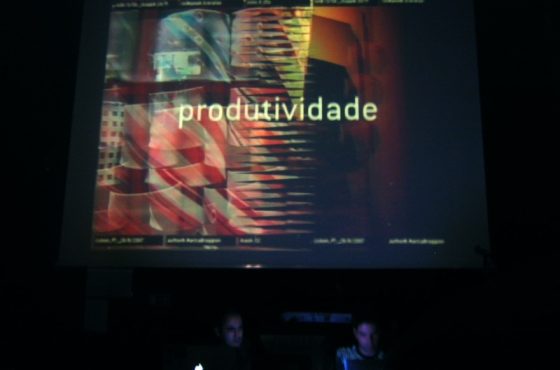
Event: MFO/Hecq AV Performance, Temps d’Images Festival
Place: Von Krahl, Tallinn, Estonia
Date: 26/2/2009
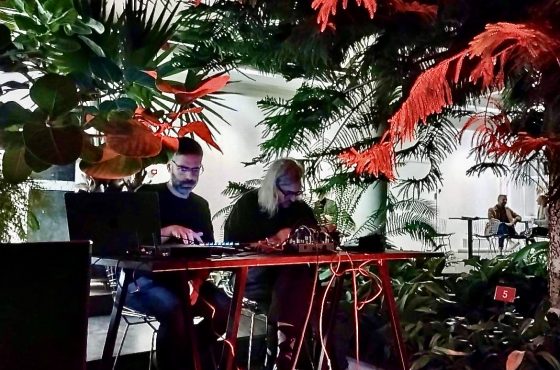
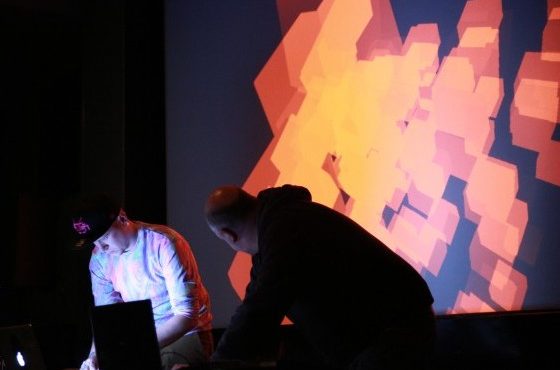
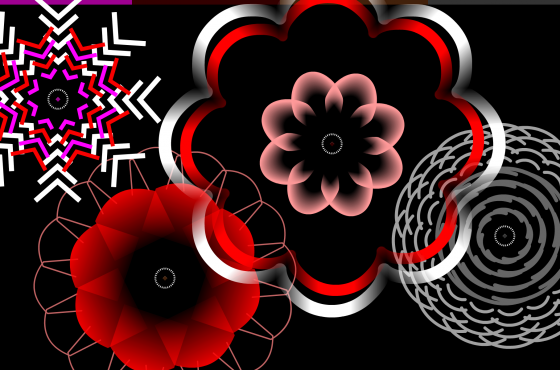
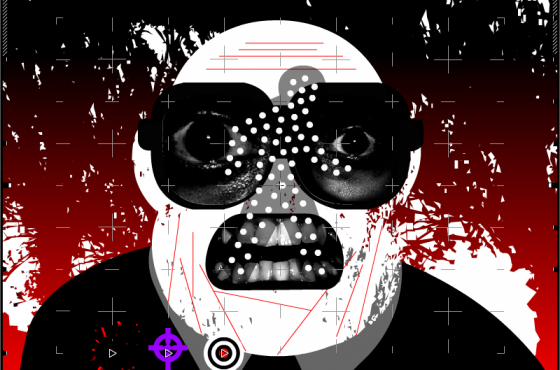
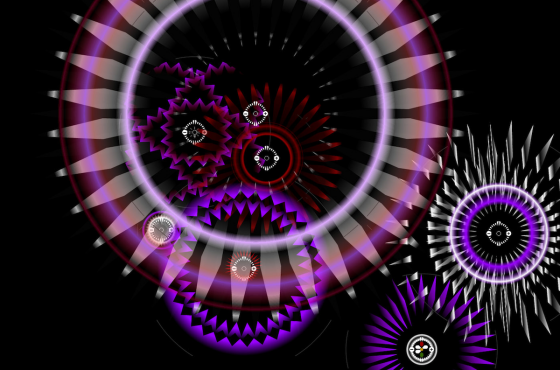
MFO (visuals) and Hecq (music) performed at the Temps d’Images festival in Tallinn (Von Krahl theatre), 26/2/2009. Both MFO and Hecq had new material to present. MFO (Marcel Weber and collaborators) showcased their new visuals, inspired by science, the cosmos, and the “Uriania Universum” East German magazine. Hecq (Ben Lukas Boysen) played material from his new album, bringing together ambient elements from his previous release with IDM elements.
by Nuno Correia · September 1, 2008 at 12:00 am · Filed under Writings
In September 2008, the University of Art and Design Helsinki (TaiK) released issue 35 of their Working Paper series, edited by me (together with Blanca Acuña). The title is: “Digital Tools – A New Way to Interact with the World” and contains five papers on that theme by authors from Media Lab Helsinki (TaiK’s school of digital design).
TaiK Working Papers #35: “Digital Tools – A New Way to Interact with the World” can be dowloaded from
by Nuno Correia · October 1, 2007 at 12:00 am · Filed under Academic
Event: Lev Manovitch Lecture, “Interaction as an Aesthetic Event”
Place: Tallinn University, Estonia
Date: 8/10/2007
1. Abstract of Lecture
How do designers of information technology understand the interaction between the users and devices? How do they design user interfaces? This question is important if we want to talk about integration of architecture and information technology. I my talk I will analyze the recent shift in information technology design. Contrary to ten years ago, today the designers no longer try to make the interfaces invisible. Instead, the interaction is treated as an event – as opposed to “non-event”, as in the previous “invisible interface” paradigm. Put differently, using personal information devices is now conceived as a carefully orchestrated experience, rather than only a means to an end. I will discuss different aspects of this new interface paradigm using the examples of OSX, LG Chocolate, and iPhone.
by Nuno Correia · April 11, 2007 at 11:04 am · Filed under Writings
Abstract
The main objective of the research is to create a tool, entitled “iAVo (Interactive Audio-Visual Objects)”, which allows the integration of visuals in electronic music performances, and to assess the effectiveness of the application regarding the audience of these performances. This tool should provide a visual feedback to real-time sound manipulation and allow an adequate level of integrated audio-visual creative expression. Qualitative and quantitative methods will be used to gather and examine data from the audience of performances conducted in the course of the research. The tool will be analyzed within the theoretical frameworks of media studies, interaction design and history of new media art.
by Nuno Correia · March 1, 2007 at 12:00 pm · Filed under Academic
Event: Optronica Festival talk by Cindy Keefer (Centre for Visual Music, CVM, Los Angeles)
Place: London, UK, BFI Southbank
Date: 18/3/2007
(These notes do not completely reflect Cindy Keefer’s talk. After posting earlier notes to this blog, I received an-email from Cindy Keefer, kindly correcting some mistakes in my notes, and adding some links. These newer notes reflect those corrections. Further explorations on the topic can be found at the end of the post, and are not related to Cindy Keefer’s talk. Many thanks to Cindy Keefer for the excellent talk, and for the corrections.)
by Nuno Correia · March 1, 2007 at 12:00 am · Filed under Academic
Event: Optronica talk by Dr Jamie Ward, Samantha Moore & Simon Ings
Place: London, UK, BFI Southbank
Date: 17/3/2007
Artists have long been fascinated by synaesthesia: where one sense reaches into the realm of another. Kandinsky and Scriabin, thought this suprasensory state spiritual. For others it was an inspiring place to visit with psychedelics. For many it offers important creative challenges. But how does synaesthesia relate to artistic endeavour and aesthetic appreciation? Navigating these realms and separating science from myth in this illustrated talk are writer Simon Ings, synaesthesia researcher Dr Jamie Ward and filmmaker Samantha Moore. (from http://www.optronica.org/)
by Nuno Correia · February 1, 2007 at 12:00 am · Filed under Writings
Event: Assignment for Futures Studies 1 course by Finland Futures Academy
Place: Helsinki School of Economics
Date: February 28, 2007
Amos Taylor, University of Lapland
Nuno N. Correia, University of Art and Design Helsinki
Introduction
Finland as a society and culture has enjoyed an increasingly supported environment for creative culture or we might call them, creative actors (artists, curators, musicians, creative project groups, etc.). Its education and industry is following a gradual path that allows creative actors to continue to thrive in the future of Finnish culture and society. New education institutions and new approaches in industry (such as in new media), have constantly met the needs of a culture hungry environment. With this constant push from industry and education we might ask, what the future holds for the artist?
Certain questions about the direction of a technology/big industry strong influence will have on the nature of creativity. With education following the path of big industry to meet its need, do we see a different identity for future creative actors? Being tied to industry we might expect then that its success and direction will directly affect creative cultures. Do the traditions of art remain intact or will they be replaced in the future Finnish society? What does the future hold for creative actors if education and industry change direction and abandon the value of creativity? In essence this study seeks to map out various factors in the future of Finland’s creative industry.